What connects you to a place?
Is it the familiarity of the landscape where you grew up? The family, friends, and rituals that shape a life? Perhaps it’s the subtle rhythms of nature – the slow, steady turning of seasons that root us in time. Or maybe it’s something less tangible, like a feeling, memory, or moment.
We all carry a connection to place – often many personal to us. But imagine if that connection wasn’t just meaningful, but fundamental to who you are. What if your identity, your culture, and your very sense of belonging had been shaped and sustained by a relationship with the land, renewed and passed down for over 40,000 years?
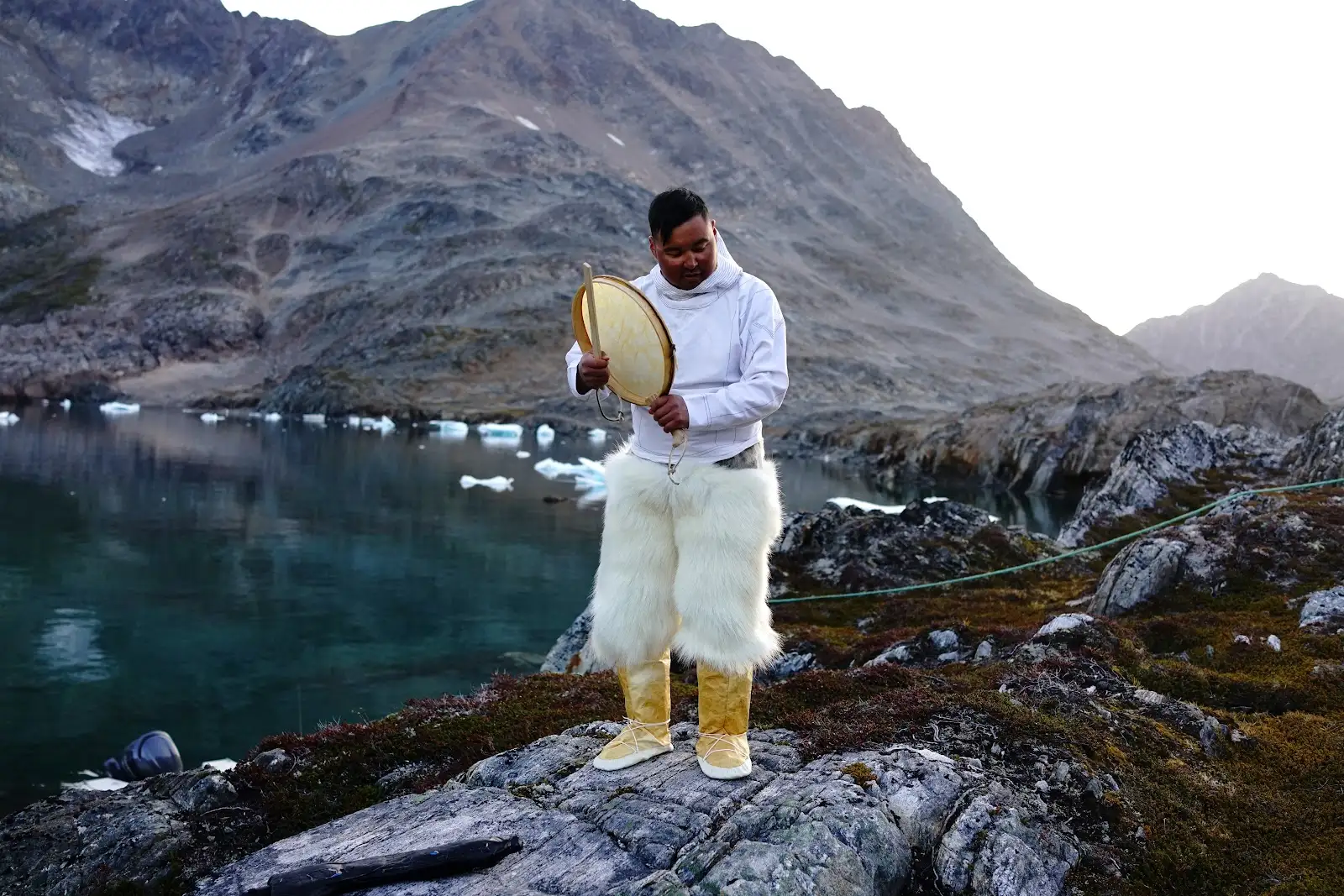
In Australia, Aboriginal peoples’ Connection to Country reflects just that. It’s a profound and complex relationship with land, sea, and sky. More than a physical bond, it’s a deep, lived identity – where people and place are intertwined. Country is culture. It is language, law, kinship, and spirit. It is memory and future, and the source of ongoing care and responsibility.
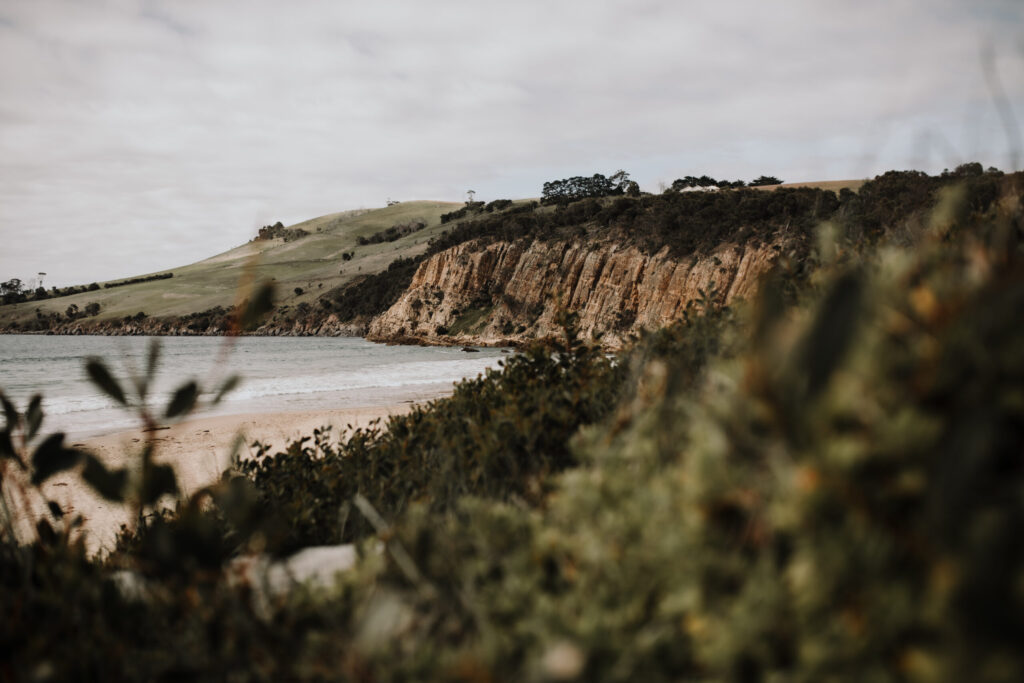
Since moving to Australia nearly five years ago, I’ve thought a lot about what it means to belong to a place. I live on the island of Tasmania, and through my work in the environmental sector, and simply through my love of the outdoors, I often find myself on the land or sea. Walking through valleys of relic Gondwanan rainforest, camping beside fields alive with wallabies at dusk, or wandering a wave-washed beach – it’s in these moments that I feel closest to this place.
The Palawa people, Tasmania’s First Nations custodians, have been caring for this island for thousands of generations. So long, in fact, that the shape of the land itself has shifted beneath their feet. Over tens of thousands of years, rising and falling sea levels connected and separated Tasmania from mainland Australia. Around 12,000 years ago, the seas rose for the last time, and the island we now know as Lutruwita was formed.
I’m not Indigenous to this place, but I live here now and I care about it deeply. I’ve come to believe that building a meaningful connection to country is something all of us can do with attention, curiosity, and care. For me, it starts with noticing and slowing down. With learning to read the landscape like a story. Like when the black wattles burst into yellow bloom across winter forests, I feel the promise of spring. Or when migratory shorebirds return to the eastern coast, I’m reminded that even the most delicate creatures carry maps written in instinct and sky, tracing patterns across whole hemispheres.
Sometimes, connection means walking into the bush with a backpack. Sometimes, it’s freediving for abalone on a still morning. Other times, it’s pulling weeds with my local Landcare group or planting native seedlings in a community reserve. Each of these moments is a form of participation. A way of listening, learning, and reciprocity.
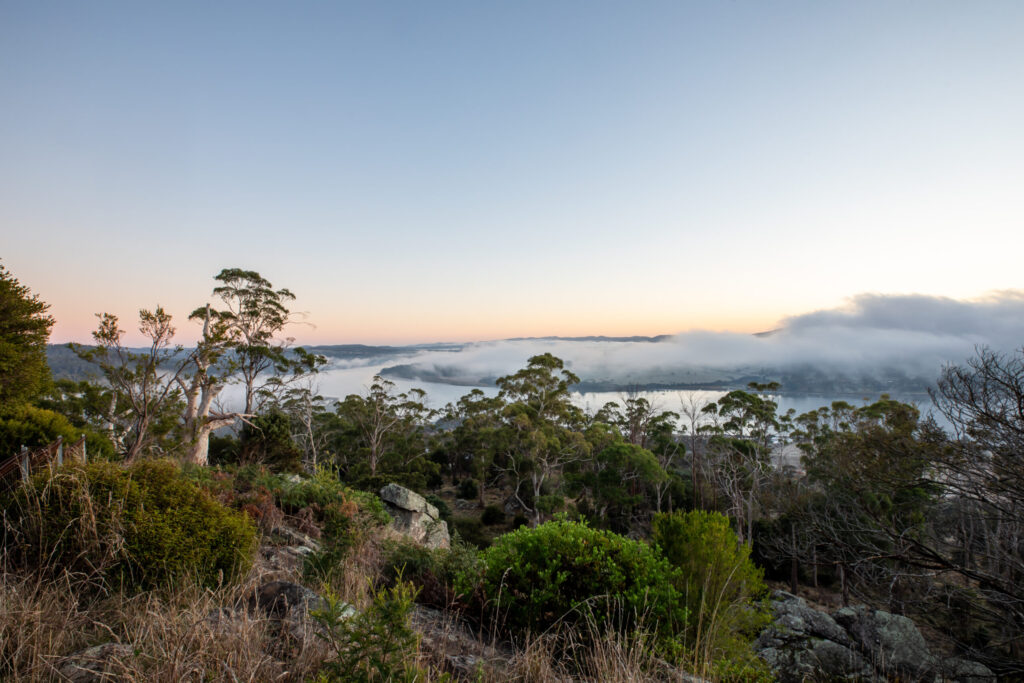

What I love most is how this connection, over time, becomes a kind of mindfulness. An invitation to step away from noise and distraction and into a quiet dialogue with the land. To walk ancient trading routes once used by the Palawa. To taste the island through foraged foods. To let the beauty and wonder of this place seep into your bones.
These are the kinds of experiences I want to share with you – and why I’m so excited about the Hinoki trip we’ve designed for Tasmania / Lutruwita.
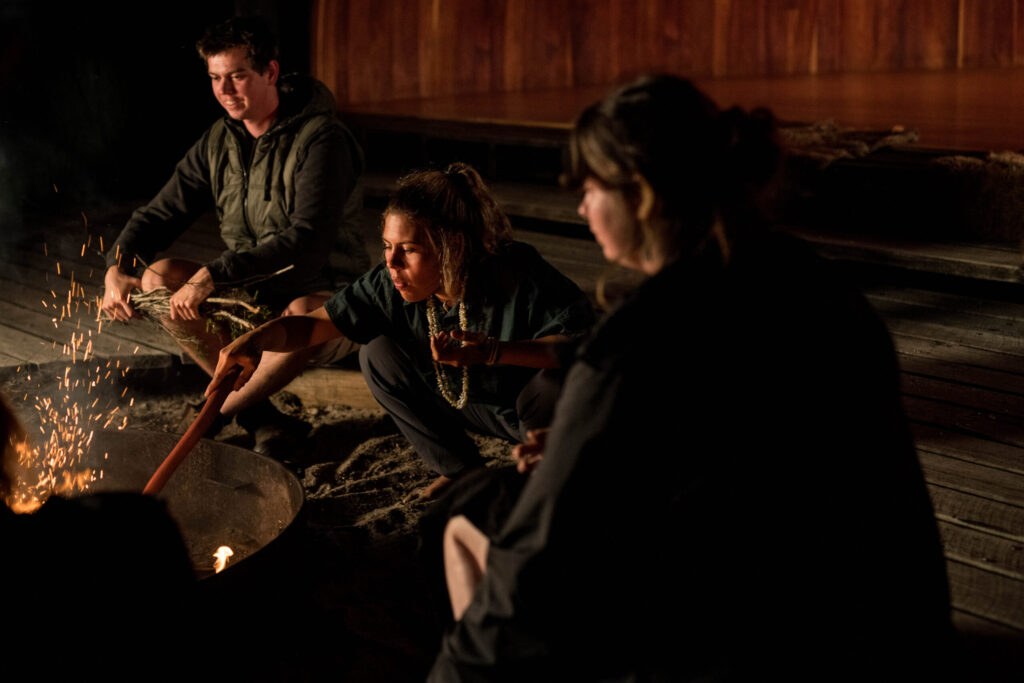
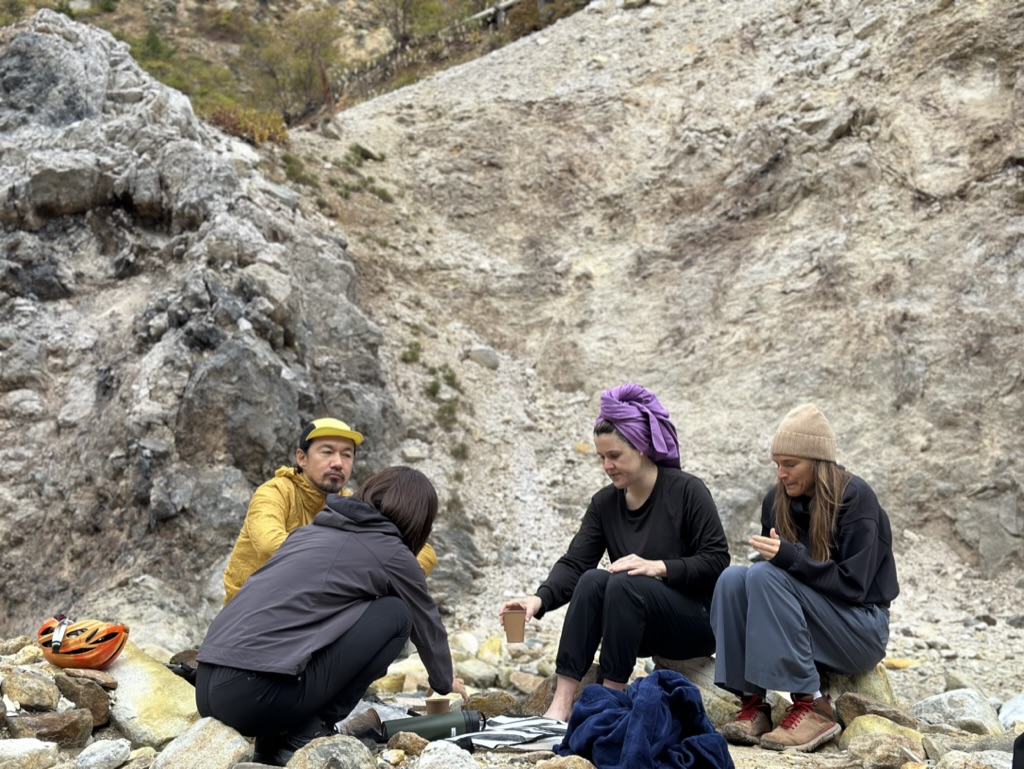
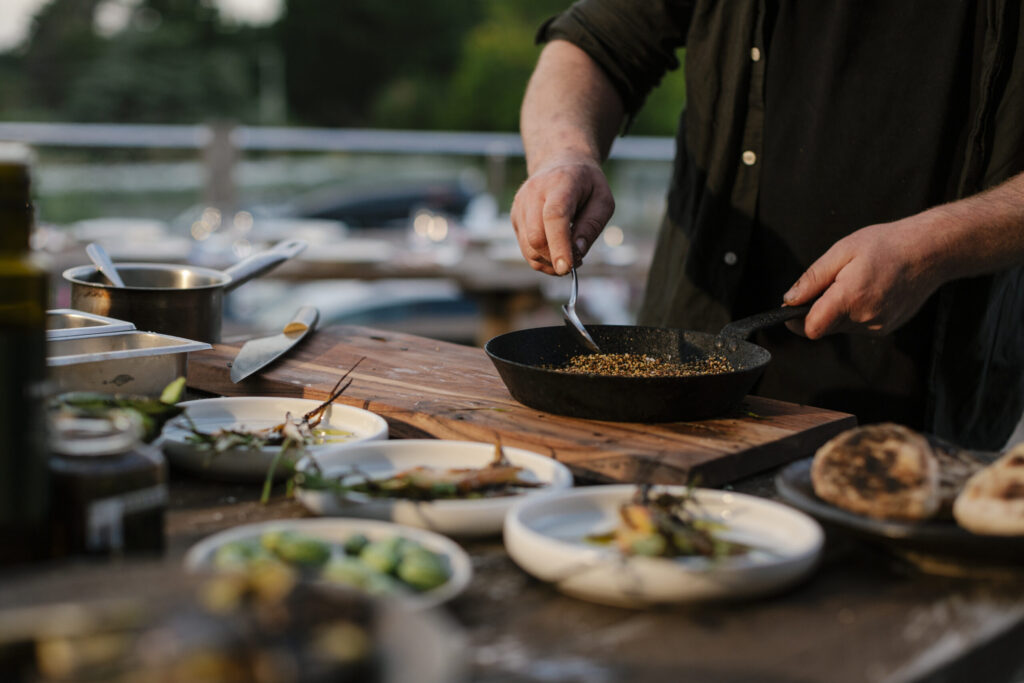
This journey is for the curious and the quietly adventurous. For those drawn to remote, soulful places and meaningful encounters. Over the course of our time together, we’ll explore wild coastlines, deep forests, and rolling farmlands. We’ll learn about sustainable farming, ethical foraging, and the art of making and living slowly. We’ll gather around long tables to share local food and wine, and reflect on what it means to belong to a place.
Tasmania is small, creative, and resilient. From one keen outsider’s perspective, it’s a place for ambitious introverts who thrive in nature. That quiet strength is something we’ll explore through the trip’s central theme: Provenance – the origin of things, and how a place leaves its mark on what is grown, made, or created there.
As we move across the island, three guiding questions will shape our journey:
- What can island life teach us about sustainability?
- How are Tasmanians caring for country in both traditional and contemporary ways?
- And how does remoteness give rise to resilience, creativity, and a different way of seeing?
Throughout the trip, we’ll be hosted by an inspiring range of locals – Aboriginal Tasmanians, conservationists, winemakers, guides, farmers, artists. We’ll stay in a mix of beautiful accommodations, from historic farmhouses and eco bush camps to architecturally designed lodges. And as we walk across the traditional lands of the Palawa, from forest to sea, we’ll be reminded again and again of the deep relationship between people and place.
Importantly, this journey also supports the care of the island itself. Hinoki is donating 5% of trip proceeds to the Tasmanian Land Conservancy (TLC), a local nonprofit working to protect the island’s most precious and irreplaceable ecosystems for future generations.
We would love to welcome you to country – and invite you to join us in exploring what makes this place so unique and so worth protecting.
Written by long-time Hinoki collaborator, trip designer, conservation expert and guide Jesse Lewis in August, 2025. Jesse will be leading our upcoming trip in Tasmania, his adopted home.
For more information and to reserve your spot for 2026, email us at info@hinokitravels.com.
Registration closes on December 22nd. Do not miss your chance to join us on this incredible journey.